Why Film Performance Matters in Automatic Textile Roll Packaging
Automatic textile roll packaging is not simply a matter of wrapping fabric with PE film. On a high-speed packaging line, the film must run smoothly through the equipment, seal consistently and protect the finished fabric roll without creating unnecessary downtime.
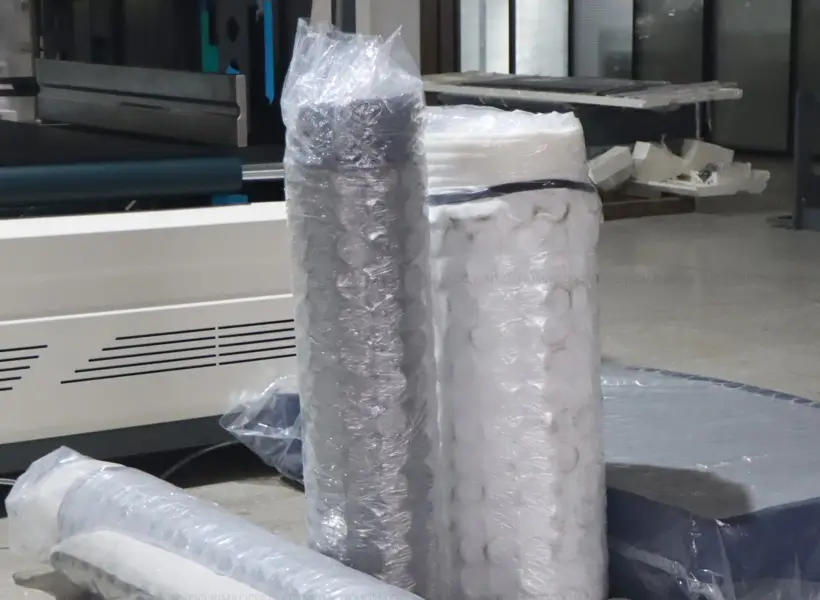
For knitted fabrics, woven fabrics, denim, nonwoven materials and home-textile rolls, the packaging film also affects how the finished product looks when it reaches the warehouse or customer.
This is why selecting the right PE film is especially important for textile manufacturers using automatic roll packaging systems.
1. High Clarity Helps Improve Product Presentation
Finished textile rolls are often inspected, identified and stored while still inside the packaging.
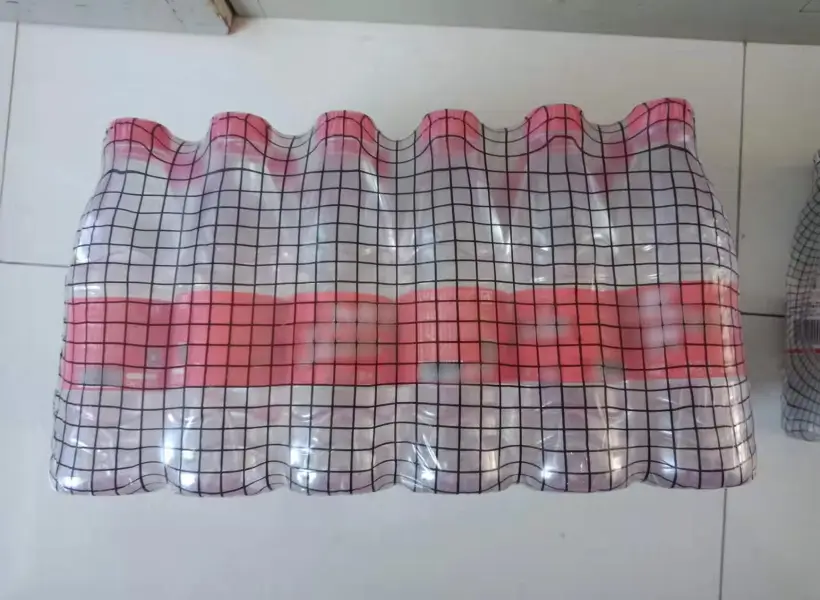
A high-clarity PE film allows operators and customers to see the fabric roll more easily without opening the package. Good transparency can also help with product identification and visual inspection during warehousing and shipment.
For textile manufacturers supplying export markets, clear packaging can provide a cleaner and more professional appearance while keeping the fabric protected from dust and handling contamination.
2. Toughness Is Important During Handling and Transportation
Textile rolls can be heavy, and the packaging film may experience pulling, friction and impact during automatic wrapping, warehouse handling and transportation.
Film that is too weak may tear around the edges of the roll or become damaged during loading and unloading.
A suitable textile roll packaging film should provide a balance of toughness, flexibility and tear resistance so that the package remains intact throughout the handling process.
3. Stable Sealing Helps Maintain Packaging Reliability
In an automatic packaging process, sealing consistency is critical.
If the sealing performance varies from roll to roll, operators may experience open seals, weak seals or additional manual rework.
The film formulation, thickness consistency and sealing characteristics should therefore be matched to the packaging equipment and operating conditions.
Stable sealing helps reduce interruptions and improves packaging consistency across production batches.
4. Smooth Machine Running Reduces Packaging Interruptions
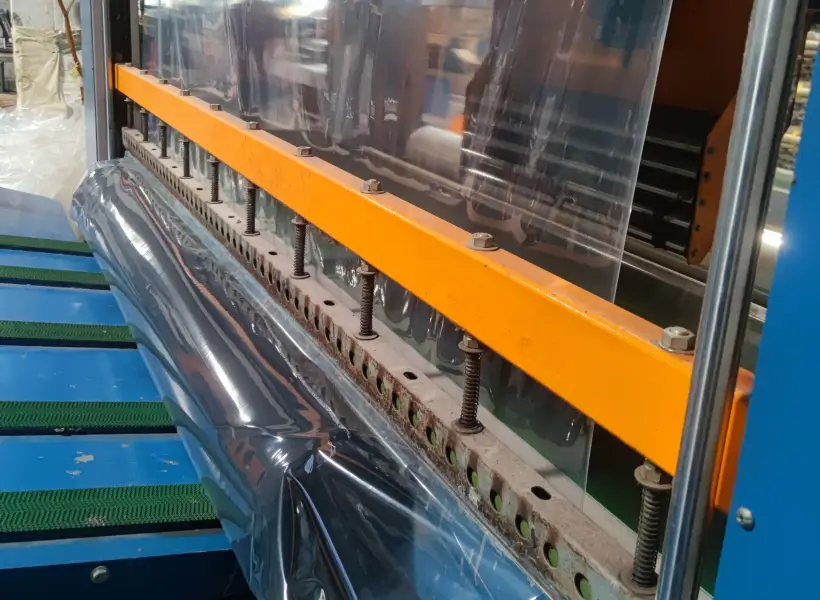
PE film used on automatic textile roll packaging machines must move smoothly through rollers, sealing units and feeding systems.
Excessive friction, unstable film tension or inconsistent film flatness may affect machine feeding and packaging efficiency.
For this reason, coefficient of friction, film flatness and dimensional stability should be considered together with transparency and mechanical strength.
The best film is not simply the strongest film. It is the film that works reliably with the customer’s actual packaging process.
5. Wide-Format Film Supports Different Textile Roll Sizes
Textile manufacturers may handle different fabric widths, roll diameters and packaging formats.
Wide-format PE film provides greater flexibility when packaging large textile rolls and helps reduce the need for complicated joining or secondary wrapping processes.
RUIDA PACKAGING can support customized PE film specifications with widths up to 3800 mm according to the application and production requirements.
Film thickness, width, surface properties and packaging performance can also be adjusted according to the customer’s equipment and finished-roll requirements.
What Should Buyers Confirm Before Choosing a Film?
Before selecting textile roll packaging film, it is useful to provide information about the packaging machine, film width, required thickness, textile roll dimensions, sealing method and current packaging problems.
For example, a customer experiencing film feeding problems may need a different solution from a customer whose main concern is puncture resistance or package transparency.
Trial rolls can therefore be useful before full-scale production. Testing the film under actual packaging conditions helps confirm machine compatibility and final packaging performance.
A Film Solution Should Match the Packaging Process
There is no single PE film specification that is ideal for every textile packaging line.
The right solution depends on the fabric roll, automatic packaging equipment, sealing conditions, handling requirements and the customer’s expected appearance.
RUIDA PACKAGING provides customized PE film solutions for automatic textile roll packaging, with a focus on high clarity, toughness, stable sealing and smooth machine running.
Need to test a film on your packaging line? Contact us with your machine and roll specifications to discuss a trial solution.